
Introduction to Cat S Cars
The term Cat S car is one that often confuses buyers, particularly those exploring the used car market in the UK. In 2026, understanding cat s car meaning is crucial for anyone looking to purchase a vehicle that has been written off but repaired and deemed roadworthy. This category falls under the broader “Category” system used by insurers to classify cars after accidents.
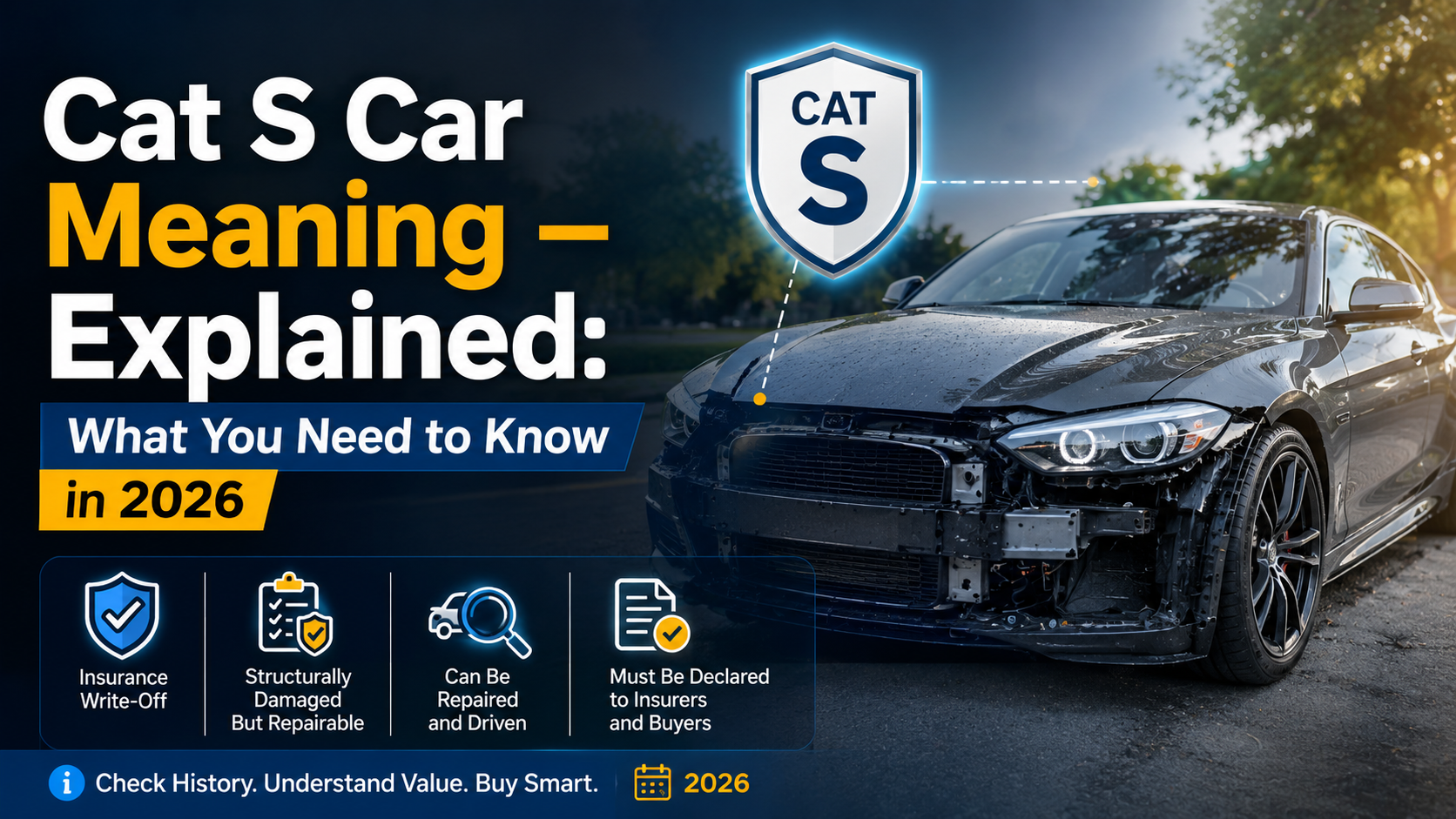
A Cat S car is one that has sustained structural damage, such as to the chassis or framework, and has been repaired to meet safety standards. Unlike other categories, a Cat S car is allowed back on the road after repair, but the history of the damage must always be disclosed. Understanding the implications of buying, selling, or insuring a Cat S vehicle is essential for making an informed decision.
What Does Cat S Car Meaning Actually Signify?
The cat s car meaning revolves around insurance classification. Category S stands for “Structural” damage. It indicates that the vehicle has been involved in an accident serious enough that it was written off by the insurance company. The insurer decided that repair costs would exceed a certain threshold, but not all Cat S cars are unsafe.
After professional repairs, these vehicles are tested and approved for road use. Buyers must be aware, however, that a Cat S designation remains on the vehicle’s record indefinitely. This ensures transparency in the used car market, protecting future buyers from unknowingly purchasing a previously damaged vehicle.
Difference Between Cat S and Other Categories
Insurance classifications in the UK can be confusing. It’s important to differentiate Cat S from other write-off categories:
- Cat N (Non-Structural): Damage to non-structural components like doors or panels. These cars don’t have chassis damage.
- Cat S (Structural): Cars with damage to key structural components. Can be repaired and returned to the road.
- Cat A/B: These cars are scrapped entirely and cannot return to the road.
By understanding cat s car meaning, buyers can accurately assess vehicle histories, determine risks, and make informed decisions when purchasing a used vehicle.
How a Car Becomes Cat S
A car is classified as Cat S after an insurance assessment following an accident. Structural damage may include:
- Bent or damaged chassis
- Crumpled suspension mounting points
- Frame or unibody deformities
The insurance company will evaluate repair costs and determine whether it’s economically viable to repair the car. If repair is feasible, the car is categorized as Cat S and can legally return to the road after proper repairs. Understanding the cat s car meaning helps potential buyers know what to expect regarding vehicle condition, repair quality, and future insurance implications.
Buying a Cat S Car – What You Should Know
Purchasing a Cat S car can be financially advantageous because these vehicles are often cheaper than comparable non-written-off cars. However, buyers must take precautions:
- Verify repairs: Ensure that structural damage has been properly repaired by a certified workshop.
- Vehicle history check: Always obtain a detailed insurance report and MOT history.
- Understand insurance implications: Some insurers may charge higher premiums for Cat S cars.
Knowing the cat s car meaning helps buyers weigh the pros and cons, ensuring they don’t compromise on safety while enjoying a reduced purchase price.
Insurance Considerations for Cat S Cars
Insuring a Cat S vehicle is slightly different from insuring standard cars. Insurers consider:
- Past structural damage
- Quality and documentation of repairs
- Vehicle value compared to non-written-off equivalents
While some insurance companies offer standard coverage for Cat S cars, others may impose higher premiums or specific conditions. Understanding the cat s car meaning ensures you can compare policies, avoid surprises, and secure the right coverage for your vehicle.
Selling a Cat S Car
Selling a Cat S car comes with responsibilities. Sellers must fully disclose the Cat S status to potential buyers, as failing to do so may be considered fraudulent. While resale value is lower than standard vehicles, many buyers are attracted by the reduced price.
Platforms like AutoTrader or specialist dealerships list Cat S vehicles with full disclosure, providing transparency and trust for both parties. Knowing the cat s car meaning helps sellers accurately describe the vehicle’s history and avoid legal issues while still reaching interested buyers.
Safety and Reliability of Cat S Cars
One of the most common concerns about Cat S vehicles is safety. Properly repaired Cat S cars are roadworthy and must pass MOT inspections to ensure structural integrity. It’s critical to confirm:
- Repair certificates from authorized garages
- Thorough MOT records
- Absence of recurring issues related to prior damage
Understanding cat s car meaning empowers buyers and owners to assess the safety and reliability of these vehicles confidently.
Financial Benefits of Cat S Cars
While some buyers hesitate due to the Cat S label, there are financial advantages:
- Lower purchase price: Can save thousands compared to similar vehicles.
- Depreciation: The price may rise slightly once repairs are certified, allowing potential resale profits.
- Insurance options: Some insurers offer competitive rates if repairs are well documented.
Knowing the cat s car meaning ensures buyers see the full financial picture and make informed purchasing decisions.
Conclusion: Understanding Cat S Cars in 2026
In 2026, understanding cat s car meaning is more important than ever for buyers, sellers, and insurance providers. Cat S cars represent a middle ground between total write-offs and standard vehicles: structurally repaired, roadworthy, yet fully disclosed in records.
Whether buying, selling, or insuring, knowledge of the category ensures transparency, safety, and financial benefits. By understanding the cat s car meaning, consumers can confidently navigate the used car market and make informed choices without compromising on security or quality.