
Introduction
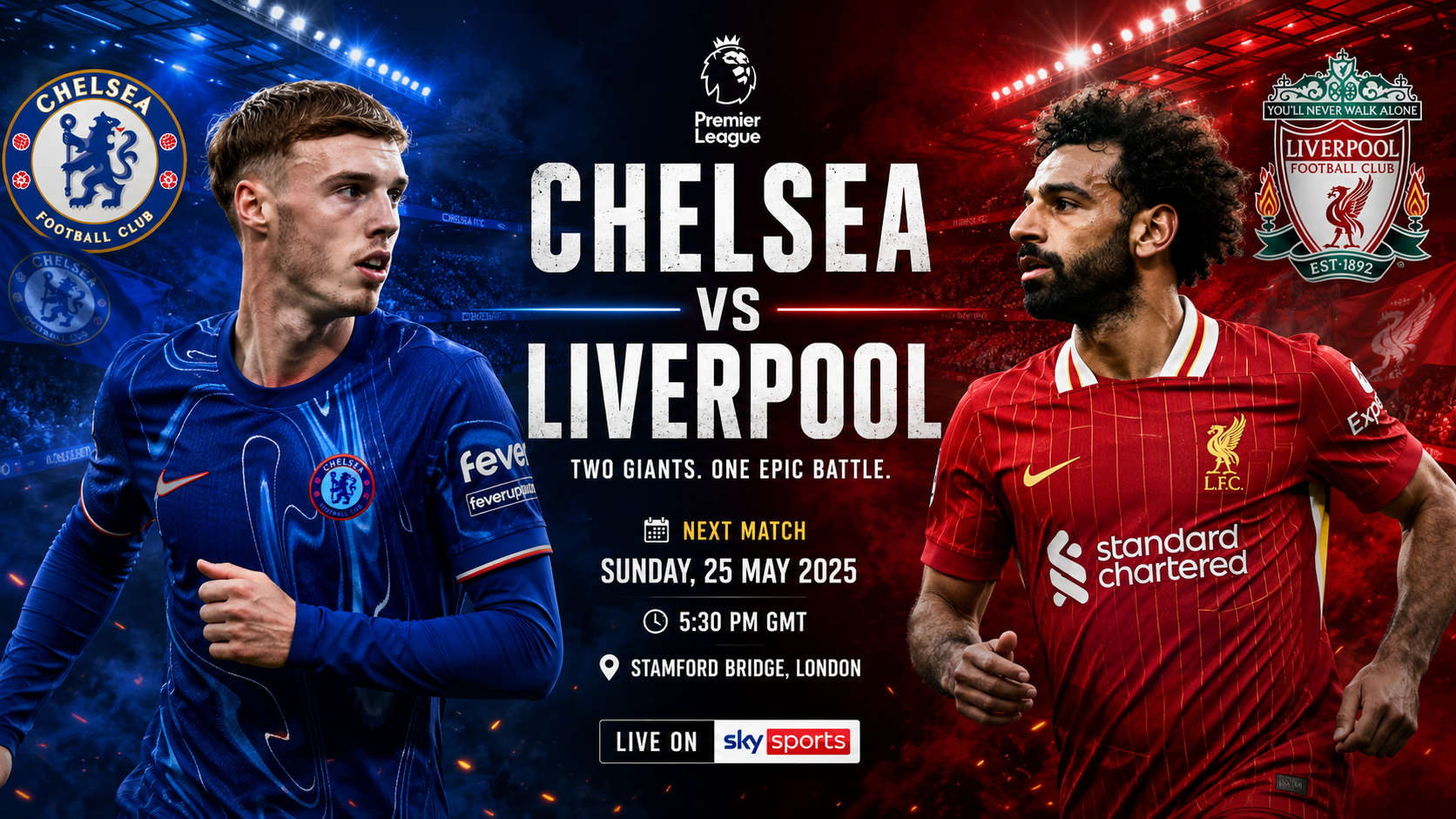
Few matches capture the excitement, intensity, and tactical intrigue of the Premier League like Chelsea vs Liverpool. This fixture represents more than just a contest for points—it’s a clash of football philosophies, star players, and historical legacies. Chelsea’s strategic approach, grounded in disciplined defense and creative midfield play, contrasts with Liverpool’s high-pressing, energetic, and attacking style.
For fans, analysts, and bettors alike, understanding this rivalry requires more than knowing the lineups. From historical encounters to tactical evolution, player performances, and statistical trends, every detail can influence expectations and predictions. This guide provides a comprehensive overview of Chelsea vs Liverpool, blending history, strategy, and insights to help readers fully appreciate the spectacle.
Historical Rivalry Between Chelsea and Liverpool
The Chelsea vs Liverpool rivalry dates back to the 1960s, but it gained intensity in the Premier League era after 1992. Over decades, the fixture has featured iconic encounters in domestic cups, the Champions League, and crucial league matches.
- Early Years: Initial meetings were competitive but lacked national attention.
- Premier League Era: Both clubs rose to prominence, with Liverpool dominating early 2000s and Chelsea emerging strongly post-2003 under Roman Abramovich’s ownership.
- Key Moments: Memorable games include cup finals where tactical battles defined the results, including penalty shootouts and last-minute goals that shaped fan memories.
The rivalry is fueled not only by competition but by contrasting club philosophies, regional pride, and passionate fan bases.
Chelsea’s Tactical Approach
Chelsea has historically employed flexible, defensive-organization strategies, adapting their formations to counter opponents like Liverpool. Key aspects of their approach include:
Defensive Solidity
Chelsea prioritizes structured backlines, often utilizing three or four defenders depending on the manager. Compact spacing and disciplined marking limit spaces for attackers, forcing teams into low-percentage chances.
Midfield Control
A strong midfield trio can dominate possession, transition quickly from defense to attack, and dictate the game tempo. Chelsea often relies on experienced midfielders to orchestrate movements and shield the defense.
Counter-Attacking Threat
Chelsea’s counters exploit spaces left by attacking teams. Quick wingers and forwards with pace make transitions lethal, particularly against high-pressing sides like Liverpool.
Liverpool’s Tactical Philosophy
Liverpool, under Jurgen Klopp, epitomizes high-intensity football, emphasizing pressing, speed, and fluid attacking patterns. Their tactical hallmarks include:
Gegenpressing
Liverpool recovers possession aggressively immediately after losing it. This high-energy style disrupts opponents’ buildup and creates fast-scoring opportunities.
Fullback Involvement
Fullbacks like Trent Alexander-Arnold and Andrew Robertson provide width, deliver dangerous crosses, and support central attackers, making Liverpool’s attack multidimensional.
Dynamic Front Three
The front three maintain fluid positioning, interchanging roles to exploit defensive gaps. This unpredictability is a hallmark of Liverpool’s offensive efficiency.
Key Players in Chelsea vs Liverpool
Every Chelsea vs Liverpool clash highlights individual brilliance. Key players in 2026 may include:
- Chelsea: Midfield maestro dictating play, clinical strikers converting chances, and a commanding goalkeeper.
- Liverpool: Energetic wingers stretching defenses, creative fullbacks delivering assists, and forwards with lethal finishing.
Player form, injuries, and tactical fit can heavily influence match outcomes, making squad analysis essential for predictions.
Recent Form and League Performance
Analyzing recent form provides insights into potential match dynamics:
- Chelsea: Defensive stability and set-piece proficiency often determine results against high-intensity sides.
- Liverpool: Strong home records, consistent pressing, and high conversion rates in the final third reflect their current form.
Statistics like goals scored, expected goals (xG), clean sheets, and possession percentages offer measurable indicators of potential outcomes.
Memorable Matches and Iconic Moments
Several Chelsea vs Liverpool games are etched in football history:
- High-Stakes Finals: Domestic cup finals and Champions League matches have produced dramatic goals, penalty shootouts, and tactical masterclasses.
- Record-Breaking Performances: Instances of individual hat-tricks, goalkeeping heroics, and late equalizers define the fixture’s unpredictability.
Fans often cite these moments as part of the enduring legacy of this rivalry.
Predictions and Analysis for Upcoming Fixtures
Predicting outcomes requires evaluating:
- Team Form: Assessing recent wins, losses, and squad health.
- Tactical Matchups: Chelsea’s counter-attacks vs Liverpool’s pressing.
- Player Availability: Injuries, suspensions, and rotation.
- Home Advantage: Stadium atmosphere, pitch dimensions, and fan support.
By combining these elements, analysts produce educated predictions, though the fixture’s intensity ensures surprises remain likely.
Fan Culture and Atmosphere
The rivalry extends beyond the pitch. Both Chelsea and Liverpool boast passionate supporters:
- Chelsea Fans: Known for organized chants, visual displays, and strong social media engagement.
- Liverpool Fans: Famous for anthems like “You’ll Never Walk Alone” and traveling supporters who create formidable away atmospheres.
Fan culture adds energy to matches, influencing momentum and player performance.
Statistical Insights
Key statistics often shape narratives around Chelsea vs Liverpool:
- Head-to-Head: Wins, draws, and losses across Premier League and cup competitions.
- Goals and Assists: Top scorers and creative contributors highlight influential players.
- Defensive Records: Clean sheets, tackles, and interceptions reflect team solidity.
Analyzing historical and current data helps predict match trends and potential outcomes.
Betting and Fantasy Football Considerations
For enthusiasts engaging in betting or fantasy football:
- Assess player form, injuries, and historical performance against the opposition.
- Consider clean sheet potential for goalkeepers and defenders.
- Evaluate expected goals (xG) to estimate scoring opportunities.
- Track squad rotations, especially around congested fixtures or international breaks.
Understanding both teams’ tactical approaches enhances informed decision-making.
Conclusion
The Chelsea vs Liverpool fixture is a highlight of the Premier League, blending historical rivalry, tactical battles, and fan intensity. Chelsea’s structured defense and counter-attacking precision contrast with Liverpool’s high-energy pressing and dynamic offense, creating a compelling matchup every season.
Whether you are a fan, analyst, or fantasy football enthusiast, understanding tactics, player impact, and historical context enriches the experience and informs predictions. In 2026, this fixture promises excitement, skill, and memorable moments for football lovers worldwide.
FAQs
1. Who usually wins Chelsea vs Liverpool matches?
Historically, results vary by season, but both teams have periods of dominance. Matches are often close due to tactical parity.
2. What formation does Chelsea use against Liverpool?
Chelsea typically adapts formations such as 3-4-3 or 4-2-3-1, emphasizing defensive organization and counter-attacking.
3. What is Liverpool’s strongest strategy against Chelsea?
Liverpool relies on high pressing, quick transitions, and exploiting width from fullbacks.
4. Which players are key to watch in Chelsea vs Liverpool?
For Chelsea, midfield playmakers and forwards are crucial. For Liverpool, fullbacks, wingers, and central strikers heavily influence the game.
5. How can fans watch Chelsea vs Liverpool safely?
Matches are broadcast globally on authorized sports channels, live streaming platforms, and official club media channels.